Level-Matched Problems
Every topic, position, and drill in each group is chosen because it directly addresses the recurring mistakes players make at that specific rating. No filler. No material that's five years ahead of where you are.
Chess Mastery Academy
Chess improvement stalls when training doesn't match where you are. These four groups are each built around the specific thinking errors, tactical patterns, and habits common to that rating band — so every lesson is relevant to the games you're actually playing right now.
Why this matters
A 400-rated player and a 1400-rated player lose games for completely different reasons. Putting them in the same lesson doesn't help either of them. These groups exist because your next improvement depends on fixing the right things — not just doing more chess.
Every topic, position, and drill in each group is chosen because it directly addresses the recurring mistakes players make at that specific rating. No filler. No material that's five years ahead of where you are.
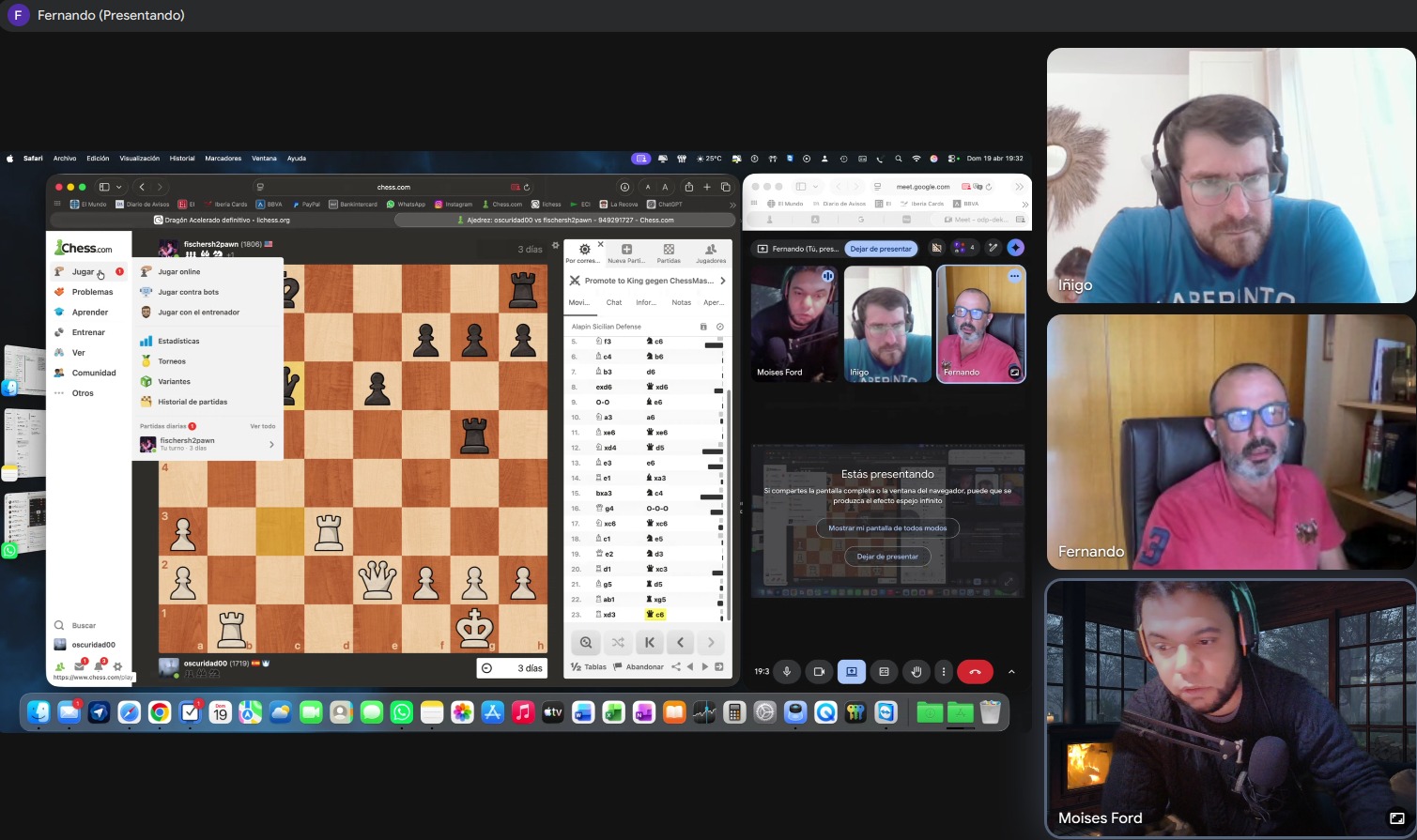
Group sessions run live with Coach Ford on a shared board. Students see the reasoning, ask questions mid-lesson, and receive correction in real time instead of rewinding a video and guessing what they missed.
Attending a session isn't enough. Students leave with specific work to do between sessions, and Coach Ford reviews their actual games to see whether the lessons are translating into improvement.
100–800 Rating Range
This group is for you if: you enjoy chess but feel like you're guessing most of the time. You might know how pieces move, but you're not sure why you keep losing or what you should actually be working on.
You stop guessing. You start seeing threats before they happen. You have a routine to follow before each move, and your games stop feeling like chaos.
Improvement at this level is often the fastest — because the problems are specific and the fixes are learnable. Students who commit to this group and do the homework see their rating begin to move within the first few weeks.
"After only one month of working with Coach Ford, my Elo went from 500 to 1100." — ThePresenceOfTheKing
800–1200 Rating Range
This group is for you if: you know the rules and you play regularly, but you keep blundering in spots you knew were dangerous. You feel like you should be winning more — and you probably should be. The mistakes at this level are fixable. They just need to be named and drilled.
The blunders drop. Not because you got lucky — because you trained a habit of checking before you move. Your openings become consistent enough that you enter the middlegame with a real position instead of a mess to survive.
The 800–1200 range is where a lot of players stay stuck for years — not because they're not talented, but because nobody helped them identify the three or four specific things that are costing them the most points.
Get Your Free Assessment1200–1500 Rating Range
This group is for you if: the blunders are fewer now, but you're still losing games you feel like you should have won. You get good positions and then drift. You calculate one line and miss the better one. You win material but then don't know how to convert. The gaps are subtler — but they're specific.
You stop drifting in the middlegame. You have a plan. You start converting positions that used to slip away, and your losses become less about blunders and more about positions where both sides played well — which means you're ready for the next level.
This group is where chess starts feeling like a game you can control rather than one that controls you.
Get Your Free Assessment1500–1800 Rating Range
This group is for you if: you're serious about improvement. You might play in tournaments. You think about chess outside of the game. You're not losing from blunders anymore — you're losing from strategic misunderstandings, late-game technique gaps, and decisions under time pressure. The work at this level is more demanding, and so is the payoff.
You begin preparing like a tournament player. Your games feel less random because you're creating problems your opponent has to solve, not just reacting to theirs. Your endgame conversions become reliable. Your opening preparation stops being something you dread.
Students who excel in this group and want more intensive 1-on-1 work often transition into VIP coaching — combining group curriculum with private sessions to accelerate the improvement.
See the sessions
Every group session runs live. Coach Ford works through positions on a shared board, answers questions in real time, and keeps the lesson tied to the actual problems players face at your rating level.

Not sure where you fit?
Most students who come in thinking they know their level discover something different once Coach Ford reviews their information. The free assessment exists to make sure you start in the right group — not one that's too easy to challenge you or too advanced to help you.
You'll share your current rating, your chess username, your main goal, and where you feel like you're losing most. Coach Ford reviews it personally and gives you a specific recommendation.